As urbanization has minimized the living spaces in Kenyan cities, the demand for compact and flexible furniture in Kenya has increased significantly. As couches in Kenya became popular, couch materials not only remained an industrial concern but also influenced users’ purchasing decisions.
So, here, we explore 5 couch materials, based on comfort, durability, cost, and care.
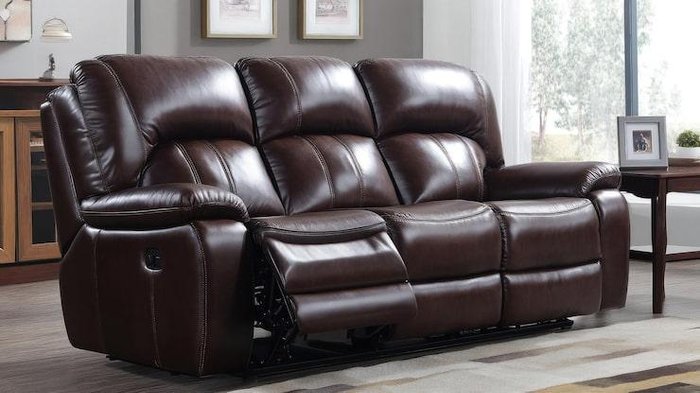
World Bank suggests that by 2050, the urban population of Kenya will hit 48%, since urban areas have been pivotal to development and socio-economic growth. Following this, it is expected that preferences for various couches, such as a 3-seater leather recliner couch, will be more popular as a quintessential home or office décor item. Their adaptability to various conditions, from office settings to residential apartments, has enhanced their demand in the Kenyan market.
Now, as the users are well-aware of materials and their comfort and aesthetics, understanding the quality of couch materials is important before you opt for one. Here’s our guidance regarding the 5 top materials, comparing comfort, durability, cost, and care.
Material 1: Fabric (Cotton & Linen Blends)
Cotton and linen blend fabrics offer well-balanced comfort, with affordability, durability, and easy maintenance.
Comfort
Allows for moisture absorption and airflow, and the blend provides comfortable and cool seating experiences, especially in humid weather conditions. Moreover, the soft and smooth feeling of fabric, along with natural and relaxed texture, is also comfortable against the skin, and the elegant look easily fits the contemporary and traditional interiors.
Durability
Owing to exceptional durability and strength, the cotton blend increases the overall resistance to tear and wear. Moreover, the blend maintains the texture and shape better than pure linen (prone to wrinkling), resisting pilling issues.
Although durable, fabric is not as strong as leather or high-end synthetics under rough or heavy use, especially in homes with pets.
Cost
Linen is less affordable than cotton, while the blend offers budget-friendly options with enhanced performance. Easier maintenance and enhanced durability provide long-term monetary value, although they require a higher initial investment than pure cotton.
Care and Maintenance
Blot spills immediately with a dry and clean cloth. You can use a neutral and mild detergent with water to remove non-greasy stains. Weekly vacuuming is recommended to remove dirt and dust.
Material 2: Leather
Despite being expensive, leather couches in Kenya have been a preferred choice for offices and homes. But why?
Comfort
A rapid adaptation to body temperature and shape – high-quality leather is primarily identified by these characteristics. Well, you might feel firm initially, but it eventually becomes more supple with time.
Well, in humid and hot climates, you may find leather sticky, but remember, it is hypoallergenic, which means it does not hold pet hair or dust, like fabric.
Durability
Genuine leather may last for decades with proper maintenance, since it ages like a fine wine. You can experience a unique character of your 3-seater leather recliner couch with time, while the resilience to tearing has made it a practical choice for high-traffic areas in offices and houses.
Cost
Asks for a high initial investment – undeniable, but think about the long-term value leather couches offer! This automatically makes it a cost-effective investment. However, damage to leather sofas requires expensive professional care, compared to fabric, while faux leather can be an affordable alternative (less durable).
Care and Maintenance
Compared to fabric, spills do not seep into leather easily, and its daily cleaning is very simple. Place away your 3-seater leather recliner couch or any other leather couches from direct sunlight, and occasional conditioning can certainly be beneficial.
Material 3: Velvet
From formal and luxurious materials to a stylish and practical choice – velvet couches in Kenya have come a long way.
Comfort
Looking for a plush feel? Velvet can bring a warm, soft, and cozy seating experience throughout the year in different climate conditions.
Get a “Sink-In” feel, and make your office or house more welcoming and breathable.
Durability
Compared to traditional woven fabrics, velvet is denser with a flat pile. Get a velvet couch in your home, and get rid of claw-snagging issues, if you have any pets. However, velvet is strongly resistant to wrinkling and holds its original shape, but can show pressure marks in high-use areas. Steaming or brushing can restore the original texture.
Cost
Varies, and available at affordable prices to high-end. Silk velvet is more expensive than synthetic velvets.
It is more expensive than standard cotton or linen, but the durability is undeniable.
Care and Maintenance
Use mild soap with a damp cloth to remove stains. Weekly vacuuming is effective in removing pet fur, lint, and dust.
Material 4: Microfiber
Microfiber is a synthetic upholstery material, often used for couches in Kenya for stain resistance, durability, and affordability.
Comfort
Smooth and soft, the brushed texture of microfiber couches is similar to velvet or suede. But due to the tight synthetic, you may find it unbreathable or warm sometimes. However, in office settings, it feels comfortable and cozy for lounging.
Durability
Long-lasting (up to 10 years), but needs proper care. This is highly resistant to abrasion, tears, or punctures, making it a popular choice in Kenyan residences with pets or children.
Cost
Compared to high-end fabric or leather, it is more affordable, offering a high-end look in moderate price.
Care & Maintenance
Use a water-based solvent or alcohol to remove oil-based stains, while routine cleaning with a soft brush is suggested to remove dust or pet hair.
Be careful, as it generates static electricity, attracting dust easily. Also, do not use harsh chemicals or bleach, as these products affect fibers.
Take a look at the table below for a better understanding:
| Aspect | Fabric (General) | Leather (Genuine) | Microfiber | Velvet |
|---|---|---|---|---|
| Comfort | A wide range of soft and cozy textures | Starts firm and can feel cold in winter or warm in summer. | Soft, plush, and cozy. | Very soft, luxurious, and plush |
| Durability | Natural fiber is less durable than performance blends. | Highly durable and long-lasting | Highly durable and resilient | Durable, less suited for heavy use. |
| Cost | Most budget-friendly option | Most expensive | Typically, affordable and budget-friendly | Can be fairly expensive (especially natural silk versions) |
| Care | Requires regular vacuuming | Requires minimal maintenance for daily use | Easy to clean and often stain-resistant | High maintenance |
Table: A Comparison of Fabric, Leather, Microfiber and Velvet
Final Thoughts
So, before you choose a couch for your home or office, check the materials and be sure about your preferred requirements. Once you’re sure about couch materials, find a reliable couch brand active in the Kenyan market with positive reviews and testimonials to find the best one.
Check the pricing as well, and a pre-scheduled budget will guide you in this regard. Know about the materials’ details, and do not forget to ask professionals about care and maintenance requirements.
Looking for a High-end and Premium Quality Sofa for Your Home or Commercial Area?
Not sure about the quality of materials and their durability? Find the best brand near you with multiple couch options and choose the best one following the budget.