After significant weight loss, the abdomen doesn’t always “shrink back” the way people expect. Even when body fat is reduced and the muscles are stronger, the skin can remain stretched in more than one direction. That’s why some patients feel like they’re still wearing a loose “layer” around the midsection—especially in the upper abdomen and centerline—despite doing everything right.
A Fleur abdominoplasty (often called a Fleur-de-Lis tummy tuck) is designed for this exact situation. Instead of tightening only from top to bottom like many traditional tummy tucks, this technique removes excess skin both vertically and horizontally, helping the torso look narrower, smoother, and more defined.
Why Post-Weight-Loss Skin Behaves Differently
Skin that has been stretched for years (or through rapid changes in body size) can lose its ability to retract evenly. In many post-weight-loss bodies, the looseness shows up in a few very specific ways:
- A central “gathering” or bunching of skin in the upper abdomen
- A wider-looking torso where the waist doesn’t taper, even after fat loss
- A “soft roll” effect that appears when sitting or bending
- Clothing that still fits awkwardly because fabric catches on loose folds
This is not a failure of exercise or diet—it’s a mechanical issue. The skin is no longer acting like a snug envelope, so the body contour stays blurred even when the underlying shape has changed.
What Makes Fleur Abdominoplasty Different
Most people understand a tummy tuck as a low horizontal incision and a downward pull of skin. That approach is effective when looseness is mainly “hanging down.” But if the problem also includes side-to-side excess, a single-direction pull may leave:
- persistent upper-abdominal looseness
- a flatter but wider “boxy” silhouette
- limited waist definition, especially at the centerline
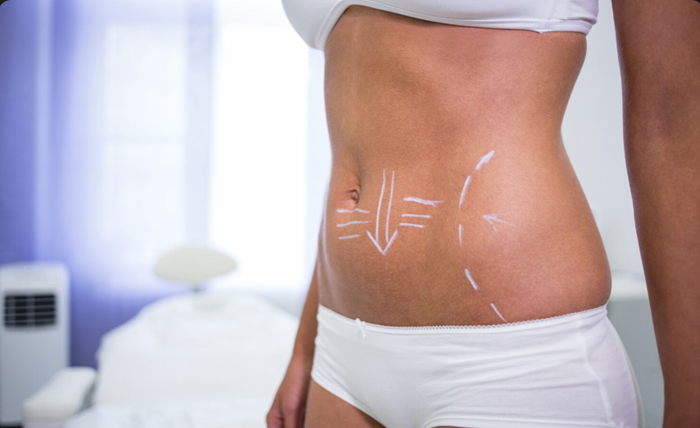
Fleur abdominoplasty adds a vertical component so the surgeon can remove a central wedge of tissue. That allows the left and right sides of the abdominal skin to come inward, which can create a more tapered waistline and a cleaner contour through the midsection.
When people discuss options at Liv Hospital, this procedure is often considered for patients who want meaningful shaping rather than a modest tightening.
The “Corset Effect” in Simple Terms
One reason patients choose this technique is what surgeons often describe as a “corset effect.” This doesn’t mean squeezing organs or creating an unnatural tightness. It means:
- the abdominal wall is supported more firmly
- the waist looks narrower because excess width is actually removed
- the torso shape transitions more smoothly into the hips and ribcage
For many post-weight-loss patients, this effect is what finally makes the body look proportionate again—especially from the front view and in fitted clothing.
Who Typically Benefits Most
Fleur abdominoplasty is not the default option for every tummy tuck candidate. It’s usually most helpful when someone has clear laxity in two directions—particularly:
- upper abdominal looseness (above the belly button) that doesn’t flatten well
- central skin redundancy that creates folds or bunching toward the midline
- a waist that looks wide even after fat loss
- loose skin that can be “pinched” significantly both vertically and sideways
It’s commonly chosen by people after major weight loss—whether from lifestyle change or bariatric surgery—when their primary goal is a more defined and naturally contoured torso.
Scar Reality: The Trade-Off (and Why Some Patients Still Choose It)
The most important thing to understand is that Fleur abdominoplasty involves a vertical scar in addition to the low horizontal scar. Patients who choose it usually do so because they value shape and fit more than hiding every incision.
In real life, many people find that:
- a vertical scar can fade into a fine line over time
- the improved fit of clothes outweighs the visibility of the scar
- the “transformation” looks more complete because excess skin is fully addressed
The scar is not a minor detail, but for the right candidate, it’s a purposeful trade—exchanging loose, folded skin for a more stable and tailored silhouette.
How It Fits into a Bigger Contouring Plan
Fleur abdominoplasty is often approached as part of a broader contour strategy rather than an isolated procedure. Depending on the body’s shape, a surgeon may evaluate whether surrounding areas also need blending so results look continuous and natural—especially around the flanks, hips, and lower torso.
A careful plan focuses on harmony: the abdomen should not look “operated-on” or disconnected from the rest of the trunk. The best results look like the body simply belongs to its new weight—smooth, proportionate, and balanced.
If you want a deeper explanation of how this technique works and why it’s chosen in specific body types, PLASTIC SURGERY Fleur Abdominoplasty fits naturally into a conversation about multi-directional skin tightening and post-weight-loss contour correction.
Recovery: What People Often Notice First
While every case is unique, people often report a few consistent early observations:
- standing and moving feels different because the front “pull” of loose skin is gone
- posture may feel more supported once swelling settles
- clothing fits more predictably—especially around the waist and lower abdomen
Because this is a more involved contour correction than a basic tuck, recovery planning matters: mobility, scar care, and gradual return to activity are all part of protecting the final contour.
Supporting Results After Healing
Long-term success isn’t only about surgery—it’s also about protecting the skin and maintaining stable weight so the new contour stays consistent. Good hydration, steady nutrition, gentle movement progression, and skin-supportive habits all help the body settle into its new shape.
Once you’re past the surgical recovery phase and thinking more about lifestyle support, you can explore wellness-forward guidance through live and feelin a way that complements long-term comfort and confidence.