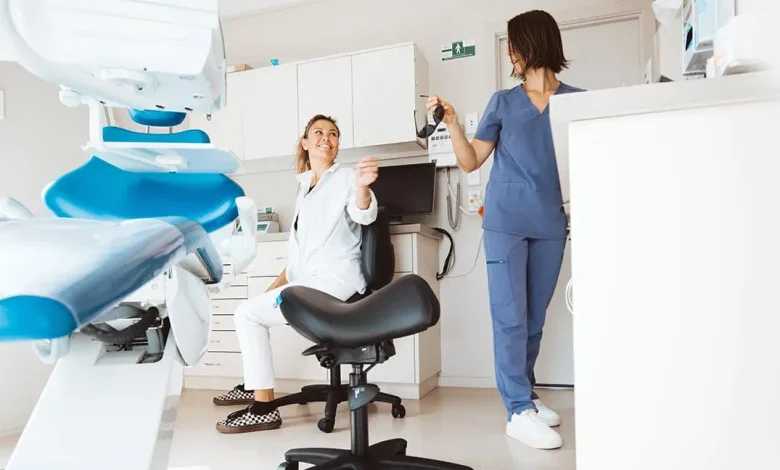
When you walk into a healthcare facility, what greets you? The scent of antiseptic or perhaps the hushed tones of doctors and nurses tending to their daily tasks. But there’s more to it than meets the eye. There’s a fascinating world of design at play; particularly, something called ergonomics. Now, you might be asking, “What’s all the fuss about ergonomics, and why should I care?” Well, grab a cuppa as we unpack why this concept is more vital than ever in healthcare settings.
What Exactly Is Ergonomics?
At its core, ergonomics is about fitting the task to the person, not the other way around. It’s a blend of psychology and design aimed at creating safe and efficient environments for workers and patients alike. Think of it this way: would you prefer sitting on an uncomfortable chair for hours while waiting for a doctor? Or would a supportive, cushioned seat make your experience much more pleasant? Exactly! And this is just one small aspect of how good ergonomics can elevate healthcare experiences.
Maximising Staff Efficiency
Ever watched a healthcare professional juggling multiple responsibilities? It’s impressive but also a bit concerning. Unfortunately, with the sheer volume of tasks on their plate, inefficiencies can creep in, leading to burnout and even injury. This is where ergonomics swings in like a superhero. Proper workspace design, adjustable furniture, and accessible medical supplies can greatly streamline workflows.
Imagine a nurse’s station designed with adjustable desks that allow staff to switch between sitting and standing. This not only adds comfort but also promotes better posture, reducing the risk of chronic pain over time. Plus, having straightforward access to essential equipment reduces the time spent searching for supplies—nobody likes a scavenger hunt during a busy shift!
Prioritising Patient Comfort
Now, let’s turn our attention to those who matter most: the patients. A well-thought-out design can significantly impact their experience. For example, adjustable examination tables accommodate patients of all shapes and sizes. This simple touch can make a world of difference when it comes to making patients feel safe and cared for. Additionally, clear pathways and signage ease navigation, reducing stress for those who may already be feeling anxious about their health.
Let’s not ignore the ambient factors as well. Soft lighting, calming wall colours, and even comfortable waiting areas contribute to creating a more pleasant atmosphere. Patients arrive stressed, often with worries weighing heavily on their minds. A positive and ergonomic environment can ease some of that tension, setting the stage for improved interactions with healthcare staff.
Reducing the Risk of Injury
Healthcare professionals are often at high risk of workplace injuries. Bending, lifting, or sitting awkwardly can lead to long-term problems. With the right ergonomic interventions in place, these risks can be minimised. Providing training on proper lifting techniques combined with ergonomic tools can save a lot of pain down the line. It’s like investing in a good pair of shoes; a small step you’ll be grateful for later!
Costs and Benefits
Implementing ergonomic solutions may seem like an added expense at first glance, but it’s often a case of spending money to save money. Reduced injury rates lead to lower workers’ compensation costs, fewer sick days, and an overall boost in productivity. Happy staff mean happy patients, and the cycle perpetuates from there.
Moreover, as healthcare systems across Australia strive for greater efficiency, the emphasis on ergonomics shouldn’t just be a footnote. Investing in ergonomic designs translates directly into improved patient outcomes. When staff are comfortable and at ease, they can focus more on the task at hand—caring for those in need.
A Global Perspective with Local Insight
Australia has seen significant advancements in healthcare design, and more local facilities are starting to appreciate the value of ergonomics. Workshops and resources are now available for architects and healthcare designers, helping them integrate these essential principles into their styles. As practices around the globe improve, Australia is shaping up to be a leader in creating exemplary healthcare environments.
How Can Healthcare Facilities Take Action?
If you’re involved in healthcare design or management, take a moment to assess your current setup. Are there ways to enhance ergonomics in your facility? Perhaps it’s time to consider an overhaul or even just a simple adjustment, like rearranging workstations or providing ergonomic chairs.
And while you’re at it, engaging with experts can lead to more tailored solutions. Many companies, like medical fitouts, are dedicated to providing the tools needed for effective healthcare spaces. Their knowledge can help you create a workplace beneficial for both staff and patients.
The Way Forward
As our understanding of ergonomics continues to evolve, it’s clear that its application in healthcare is not just about aesthetics. It’s about creating a system where staff are equipped to perform their duties effectively while ensuring that patients feel secure and valued. Embracing ergonomics means embracing a culture of care—one that pays dividends in comfort, efficiency, and overall wellbeing.
So, the next time you’re in a healthcare facility, take a moment to observe. The spaces designed intentionally for human needs can transform experiences. And let’s be honest, who wouldn’t want a little comfort and support in their healthcare journey?