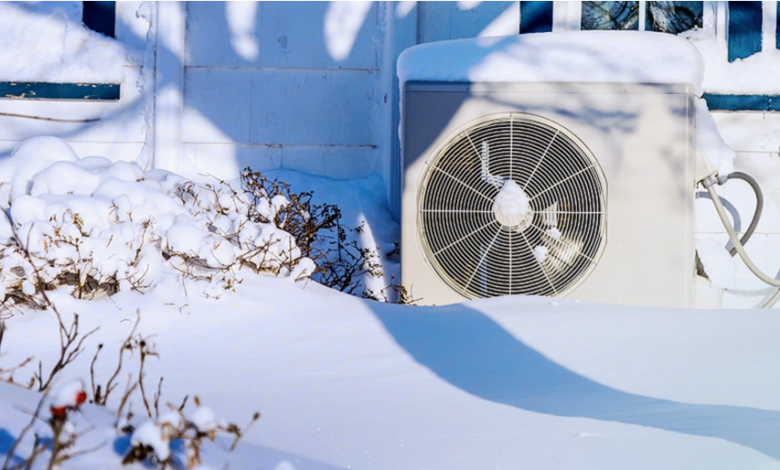
Heat pumps have become a popular choice for homeowners seeking efficient heating and cooling solutions, but many people wonder how well these systems perform when the mercury plunges. As winter temperatures dip below freezing, concerns about comfort and reliability naturally arise. Understanding the capabilities and limitations of heat pumps in cold climates is essential for making informed decisions about home heating. This article examines how modern heat pumps operate in subfreezing conditions, the technology behind their performance, and what homeowners can expect during the coldest months of the year.
What to Expect from Heat Pumps in Winter
How Heat Pumps Operate in Cold Weather
Heat pumps work by transferring heat from the outside air into your home, even when it feels cold outside. The technology relies on refrigerant and a compressor to absorb and release heat, making it possible to extract warmth from the air at surprisingly low temperatures. As the outdoor temperature drops, the heat pump must work harder to find usable heat, which can affect its efficiency. Modern advancements have significantly improved the performance of heat pumps in cold climates, allowing them to function effectively even when temperatures fall below freezing. However, the system’s efficiency and heating capacity can decrease as the temperature drops further, which is why it’s important to understand the specific capabilities of your unit. Homeowners in regions with harsh winters should consider models designed for low-temperature operation to ensure consistent comfort throughout the season.
The Role of Technology in Cold Climate Performance
Recent innovations have transformed the way heat pumps handle freezing temperatures. Variable-speed compressors, enhanced refrigerants, and improved coil designs allow these systems to extract heat from the air even when it is well below 32 degrees Fahrenheit. Some cold-climate heat pumps can operate efficiently at temperatures as low as -5 degrees Fahrenheit, maintaining indoor comfort without relying heavily on backup heating sources. The integration of smart controls and sensors also helps optimize performance by adjusting the system’s operation based on real-time conditions. For homeowners considering a new installation or upgrade, consulting with an Hvac Contractor can help determine which models are best suited for local climate conditions and specific home requirements. These technological advancements have made heat pumps a viable option for many areas that were previously considered too cold for this type of system.
Supplemental Heating and Defrost Cycles
When temperatures drop significantly, even the most advanced heat pumps may need some assistance to maintain indoor comfort. Many systems are equipped with supplemental electric resistance heaters that activate automatically when the heat pump alone cannot meet the demand. This backup heating ensures that your home stays warm, but it can increase energy consumption during prolonged cold spells. Another important aspect of heat pump operation in freezing weather is the defrost cycle. As the outdoor unit extracts heat, moisture in the air can freeze on the coils, reducing efficiency. The system periodically switches to cooling mode for a short time to melt the ice, then resumes heating. While this process is normal and necessary, it can temporarily reduce the amount of warm air delivered to your home. Understanding these operational features helps homeowners set realistic expectations and plan for energy usage during the coldest days of the year.
Energy Efficiency in Subfreezing Temperatures
Heat pumps are known for their energy efficiency, but their performance can vary depending on outdoor conditions. In moderate climates, heat pumps can deliver up to three times more heat energy than the electricity they consume. However, as the temperature drops below freezing, the system’s efficiency decreases because it must work harder to extract heat from the cold air. Despite this, modern cold-climate heat pumps remain more efficient than traditional electric resistance heaters or older heating systems. Homeowners can maximize efficiency by ensuring their heat pump is properly sized and maintained, and by using programmable thermostats to manage heating schedules. Sealing air leaks and improving insulation can also help reduce the workload on the heat pump, leading to lower energy bills and more consistent comfort throughout the winter.
Quick Facts About Heat Pumps in Freezing Weather
Heat pumps can operate effectively in temperatures well below freezing, especially when designed for cold climates. Modern systems use advanced technology to maintain efficiency and comfort, but may rely on supplemental heating during extreme cold. Regular maintenance and proper installation are key to optimal performance.
Maintenance Tips for Reliable Winter Operation
Proper maintenance is crucial for ensuring that your heat pump continues to perform reliably during the winter months. Regularly cleaning or replacing air filters helps maintain airflow and system efficiency. It’s also important to keep the outdoor unit clear of snow, ice, and debris, as obstructions can reduce heat transfer and cause the system to work harder. Scheduling annual professional inspections allows technicians to check refrigerant levels, inspect electrical components, and ensure the defrost cycle is functioning correctly. Homeowners should also monitor their thermostat settings and avoid frequent adjustments, which can cause the system to cycle on and off unnecessarily. By following these maintenance tips, you can help your heat pump deliver consistent warmth and efficiency, even when temperatures drop below freezing.
Conclusion
Heat pumps have evolved to become a reliable and efficient heating solution, even in regions where winter temperatures regularly fall below freezing. Thanks to technological advancements, many modern systems can maintain comfort and efficiency in challenging conditions, though supplemental heating may be necessary during extreme cold. Understanding how heat pumps operate, the importance of proper maintenance, and the role of backup heating can help homeowners make informed decisions about their home comfort systems. With the right equipment and care, heat pumps can provide dependable warmth throughout the coldest months, making them a practical choice for many households.