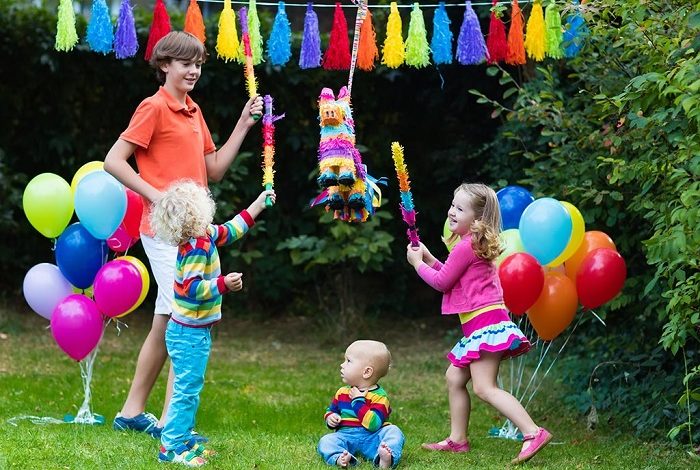
Organizing a kids’ party can feel both exciting and overwhelming. From choosing the theme to managing activities, food, and invitations, there are numerous details that need careful planning. However, with a structured approach, you can create a memorable event that both children and adults will enjoy. Here’s a step-by-step guide to help you organize a kids’ party with ease.
1. Choose a Theme
The first step in planning a successful kids’ party is choosing a theme. A theme adds cohesion to decorations, invitations, games, and even food. Popular themes include superheroes, princesses, animals, pirates, or favorite movie characters. For older children, themes such as science experiments, space exploration, or sports may be more appropriate. When selecting a theme, consider your child’s interests, the age of the guests, and the time of year. The theme will serve as a foundation for all other decisions, making the planning process more streamlined.
2. Set a Budget
Setting a budget early on will help guide your decisions and prevent overspending. Decide how much you want to allocate for key elements such as invitations, decorations, food, entertainment, and party favors. Remember, a memorable party doesn’t necessarily mean an expensive one. With creativity, you can make a simple event feel extraordinary. For instance, DIY decorations, homemade treats, and creative games can save money while adding a personal touch.
3. Choose a Date and Venue
The next step is selecting a date and location. Weekends are typically ideal for kids’ parties, as children are less likely to have school commitments. Consider whether you want the party at home, in a park, or a rented venue such as a community hall or indoor play center. Home parties are convenient and cost-effective, while external venues often provide entertainment and reduce the burden of setup and cleanup. Ensure the venue is safe, spacious, and suitable for the planned activities.
4. Send Invitations
Once the theme, budget, and venue are set, it’s time to send invitations. Decide whether to go traditional with printed invites or digital with e-invites. Include all important details: date, time, location, RSVP instructions, and any theme-related instructions (like wearing a costume). Sending invitations 3–4 weeks in advance is ideal, giving parents ample time to plan. For larger parties, include a deadline for RSVPs to help with food and activity planning.
5. Plan Activities and Games
Activities and games are the heart of any kids’ party. A mix of structured and free-play activities keeps children engaged and entertained. Popular options include scavenger hunts, relay races, pin-the-tail games, or themed crafts. For younger children, consider sensory activities such as playdough stations or bubble play. For older children, competitive games like mini sports tournaments or trivia contests based on the party theme can be exciting. Hiring a talented kids magician can add an extra layer of excitement, leaving children amazed and entertained throughout the event. Remember to plan for a balance of calm and energetic activities to accommodate different energy levels.
6. Organize Food and Drinks
Food is a major highlight at any kids’ party. Plan a menu that caters to both children and adults, with easy-to-eat, kid-friendly options. Finger foods like mini sandwiches, fruit skewers, and bite-sized snacks are practical. Incorporate treats that match the party theme, such as cupcakes decorated with superhero symbols or animal-shaped cookies. For drinks, provide water, juice, and kid-safe beverages. Consider any dietary restrictions or allergies to ensure all guests can enjoy the food safely. Don’t forget the cake! A themed cake often becomes the centerpiece of the party and can be as simple or elaborate as your budget allows.
7. Decorate the Venue
Decorations bring the party theme to life. Balloons, banners, tablecloths, and themed tableware can transform a simple space into a festive wonderland. For DIY enthusiasts, handmade crafts, paper garlands, and creative centerpieces add a personal touch. Consider creating a dedicated photo corner with props and a backdrop for fun photo opportunities. Properly decorated spaces not only enhance the party atmosphere but also make memorable photos that you and your child can cherish.
8. Plan Party Favors
Party favors are small gifts given to guests as a token of appreciation for attending. These can include themed goodies, small toys, stickers, or craft kits. Simple favors often make a big impression, especially when they align with the party theme. Present them in colorful bags or boxes that match the overall décor. This little gesture adds a sense of closure and leaves a lasting positive impression on your guests.
9. Prepare a Timeline
Creating a timeline ensures the party runs smoothly. Outline the schedule from arrival to departure, including time for games, eating, cake-cutting, and free play. A clear timeline helps prevent chaos and keeps the children engaged without long periods of downtime. Share the timeline with any helpers, such as family members or hired entertainers, so everyone is on the same page. This preparation allows you to focus on enjoying the party rather than managing unexpected delays.
10. Consider Safety and Supervision
Safety should be a top priority. Ensure the play area is secure, with no sharp objects or hazards. If the party involves physical activities, make sure there is adequate supervision. Have a first-aid kit readily available and know the emergency contacts for each child. For outdoor events, provide shade and sunscreen, and ensure children stay hydrated. Proper supervision ensures the fun doesn’t come at the expense of safety.
11. Capture Memories
Finally, don’t forget to capture the memories. Take photos or videos of the activities, games, and cake-cutting. You can create a photo album or digital slideshow later, providing a keepsake for your child. Encourage parents to share their photos as well; multiple perspectives often capture moments you might miss. These memories become cherished reminders of a joyful day for both children and adults.
Conclusion
Organizing a kids’ party can be a complex task, but careful planning makes it manageable and enjoyable. By choosing a theme, setting a budget, planning activities, and ensuring safety, you can create a celebration that delights children and leaves lasting memories. Remember, the goal is fun and connection, not perfection. With a little creativity and preparation, your child’s party will be a day to remember for everyone involved.