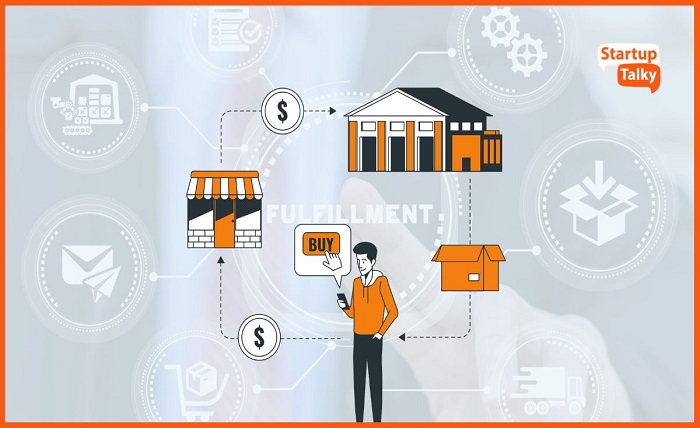
Are your customers satisfied with their shopping experience? Do your deliveries consistently arrive on time and in perfect condition? In the competitive world of ecommerce, these questions go straight to the heart of customer loyalty. While product quality and pricing are essential, the way orders are fulfilled can make or break the online shopping experience. Fulfillment—the process of receiving, processing, and delivering orders—is a critical factor in keeping customers happy and encouraging repeat business.
The Role of Fulfillment in Ecommerce
Fulfillment encompasses several key steps: inventory management, order processing, packaging, shipping, and returns. Each stage has a direct impact on how customers perceive a brand. For instance, accurate inventory management reduces the risk of stockouts, while fast and reliable shipping can transform a routine purchase into a memorable experience. In contrast, delays, errors, or damaged products can quickly erode customer trust.
As ecommerce grows increasingly competitive, customers’ expectations for delivery speed and accuracy have never been higher. A study by Deloitte found that 69% of consumers consider fast delivery as a major factor in their decision to shop with a particular retailer. This highlights that fulfillment is not just an operational task—it is a strategic differentiator.
Speed and Accuracy: Two Pillars of Satisfaction
Customers today expect both speed and accuracy. Order accuracy, ensuring that the correct items are picked, packed, and shipped, is fundamental to customer satisfaction. Mistakes, such as sending the wrong product or size, lead to frustration, returns, and negative reviews. Implementing robust fulfillment processes and technology solutions, like automated warehouse management systems, can drastically reduce errors and improve operational efficiency.
Equally important is delivery speed. Many consumers now expect same-day or next-day shipping. Retailers who can meet these expectations gain a significant advantage over competitors. Partnering with a reliable UK fulfilment centre can help businesses streamline operations, reduce transit times, and ensure packages arrive on schedule, keeping customers satisfied and loyal.
Transparency and Communication
Another key factor in fulfillment that affects customer satisfaction is transparency. Shoppers want to know where their orders are at every stage of the journey. Order tracking, timely notifications, and proactive communication about delays are crucial in managing customer expectations. Brands that provide this level of transparency are often rewarded with higher trust and repeat purchases.
Additionally, handling returns efficiently is a major part of the fulfillment experience. A seamless, hassle-free return process encourages customers to shop with confidence, knowing that mistakes or issues can be easily resolved. Clear policies, prepaid return labels, and easy drop-off options are all essential to creating a positive post-purchase experience.
Fulfillment Technology and Automation
Technology plays a crucial role in optimizing fulfillment. Inventory management software, order tracking systems, and automated warehouse solutions help ecommerce businesses process orders quickly and accurately. Integration with ecommerce platforms allows real-time updates on stock levels and order statuses, reducing errors and enhancing the customer experience.
Some companies are also turning to predictive analytics to anticipate demand, ensuring that popular products are always in stock. This proactive approach minimizes delays, avoids lost sales, and contributes to higher customer satisfaction. In addition, automation can free staff from repetitive tasks, allowing them to focus on quality control and customer service.
The Impact on Customer Loyalty
Fulfillment has a direct impact on customer loyalty. A study by Convey found that 49% of consumers are unlikely to shop again with a retailer following a poor delivery experience. On the other hand, consistent, reliable, and fast fulfillment encourages repeat purchases, positive reviews, and word-of-mouth referrals. In essence, the fulfillment experience is an extension of the brand itself, shaping customer perceptions and long-term relationships.
Choosing the Right Fulfillment Strategy
Every ecommerce business must choose a fulfillment strategy that aligns with its products, target audience, and growth objectives. Some retailers handle fulfillment in-house, providing complete control over processes. Others outsource to 3PL providers, leveraging specialized expertise and scalable infrastructure. Hybrid models are also common, combining in-house fulfillment for high-priority orders with outsourced options for overflow or regional distribution.
Regardless of the approach, investing in efficient fulfillment systems, technology, and processes will pay dividends in customer satisfaction and brand reputation.
Conclusion
In ecommerce, the purchase is just the beginning. Fulfillment—the way orders are processed, shipped, and delivered—directly shapes the customer experience. Speed, accuracy, transparency, and a hassle-free returns process all contribute to higher satisfaction, loyalty, and repeat business. Retailers that prioritize fulfillment not only meet customer expectations but exceed them, turning a simple transaction into a positive, lasting impression. Ultimately, streamlining fulfillment is not just about logistics—it’s about building a brand that customers trust and return to again and again.