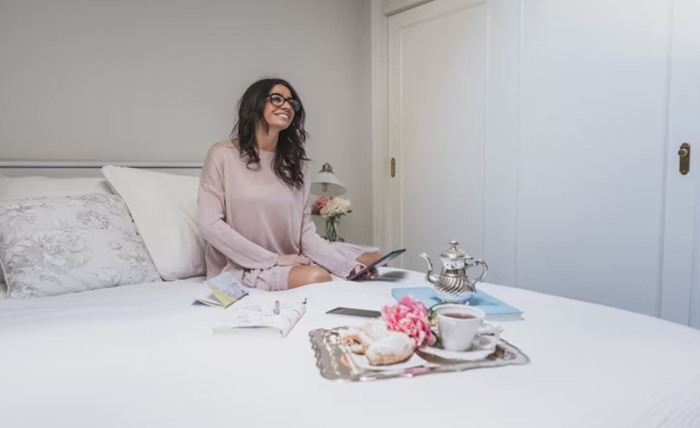
Ever walked into your bedroom at night and banged your toe against furniture? Or struggled to reach your phone from bed? That’s bad furniture placement messing with your daily life.
Where you put dressing tables and bed tables changes how comfortable your bedroom actually feels. Let me explain what works and what doesn’t.
Why Placement Matters More Than You Think
I rearranged my bedroom last year. Same furniture, different positions. The room suddenly felt bigger and more functional. Nothing changed except where things sat.
Bad placement makes rooms feel cramped even when they’re not. You bump into things. Can’t open drawers fully. Struggle to access items you need daily. Gets frustrating fast.
Good placement makes everything flow smoothly. You move around easily. Everything you need stays within reach. The room feels calm instead of chaotic.
Dressing Table Positioning Basics
Dressing tables need specific conditions to work properly.
Natural light is crucial:
- Place near windows if possible
- Natural light shows true makeup colours
- Morning routines become easier
- Avoid direct sunlight, though – too harsh
My sister placed her dressing table opposite her window. Perfect lighting in the morning. She used to do her makeup near the bathroom mirror with artificial light. Kept getting the shades wrong. Natural light fixed that completely.
Space around the table matters:
- Leave at least two feet in front for sitting comfortably
- Ensure drawers can open fully without hitting the bed
- Check that you can stand up from the stool without squeezing
I’ve seen dressing tables pushed against beds, leaving six inches of space. The drawers barely open. What’s the point of storage you can’t access?
Mirror placement affects the whole room:
- Mirrors make small rooms feel larger
- Position so they reflect light, not clutter
- Avoid placing where they face the bed directly (some people find it uncomfortable sleeping with mirrors facing them)
Bed Table Placement That Actually Works
Bed tables seem simple, but wrong placement ruins their purpose.
Height matching is important:
- The table top should align with your mattress height
- Too low means bending down constantly
- Too high makes reaching awkward
- Test this before finalising the position
I had my bedside table three inches lower than my mattress. Every night, reaching for water felt annoying. Raised it using small wooden blocks underneath. Such a simple fix for daily irritation.
Distance from the bed:
- Keep it close enough to reach without stretching
- Leave space to make the bed comfortably
- Don’t block the path to your bedroom door
My friend pushed her bedside table right against the bed. Making the bed became a struggle because she couldn’t access that side properly. She moved it six inches away, and everything got easier.
Walking space considerations:
- Maintain a clear path from the door to the bed
- Don’t create obstacles in high-traffic areas
- Consider nighttime movement when the lights are off
You don’t think about this until you stub your toe at 2 AM trying to reach the bathroom. Trust me, it matters.
Creating Functional Zones in Your Bedroom
Divide your bedroom mentally into different zones. Sleeping zone, getting-ready zone, storage zone. Don’t mix them randomly.
Getting-ready zone:
- The dressing table fits here naturally
- Keep it away from the sleeping area if possible
- Add a small chair or stool
- Ensure good lighting
Sleeping zone:
- Bed and bed tables obviously
- Keep this area calm and minimal
- Only essentials on the bedside table
- Avoid work-related items here
I used to keep my laptop on my bedside table. Terrible idea. Started checking emails right before sleeping. Moved it to my desk area, and sleep improved noticeably.
Small Bedroom Solutions
Small rooms need extra planning with dressing tables and bed tables.
Space-saving ideas:
- Wall-mounted dressing tables save floor space
- Foldable or compact bed tables work well
- Corner placement utilises unused areas
- Multi-functional furniture helps (bed tables with storage, dressing tables that double as desks)
My cousin lives in a small room. She got a wall-mounted dressing table with a foldable mirror. When not in use, it looks like a shelf. Saves tons of space.
Visual tricks for small rooms:
- Keep furniture along the walls
- Use mirrors strategically to create depth
- Choose light-colored furniture
- Don’t overcrowd with too many pieces
Creating Your Comfortable Space
Dressing tables and bedside tables are personal spaces. How you arrange them should match your specific habits and needs.
Morning person who does makeup early? Natural light for your dressing table matters more. Night owl? Focus on good artificial lighting.
Read before sleeping? The bed table lamp position becomes crucial. Just charge your phone and sleep? A simple table with outlet access works fine.
Good placement isn’t about following rules perfectly. It’s about making your bedroom work smoothly for your daily life.