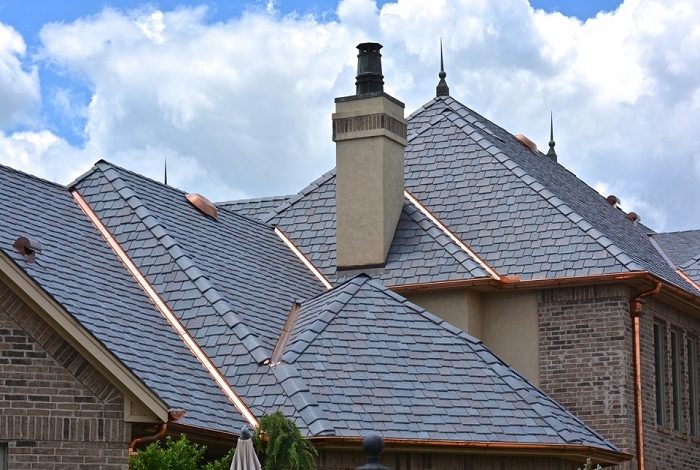
Slate roofing has long been recognized as one of the most durable, aesthetically pleasing, and premium roofing materials available. Its reputation stretches back centuries, with historical buildings across Europe and the United States still standing under their original slate roofs. Today, homeowners continue to choose slate not only for its longevity but also for its elegance, environmental benefits, and value. Whether you’re considering slate for a new build or replacing an aging roof, understanding its performance, maintenance needs, and overall investment can help you make an informed decision. This guide explores everything you need to know about slate roofing—how it’s made, why it lasts so long, and what makes it such a valuable choice.
While slate roofs are renowned for their durability, they are not entirely immune to the elements. High winds, in particular, can pose a significant threat, potentially dislodging tiles or causing other structural issues. Homeowners should regularly inspect their roofs for any signs of wind damage on a roof, such as missing or cracked slates, to ensure longevity and maintain the roof’s aesthetic appeal. Addressing these issues promptly not only preserves the roof’s integrity but also prevents more extensive repairs down the line. By staying vigilant and proactive, you can enjoy the timeless elegance and protection that a slate roof offers for many years.
What Is Slate Roofing?
Slate is a fine-grained, metamorphic stone formed under intense heat and pressure over millions of years. When quarried, the stone can be split into thin, durable sheets ideal for roofing. Natural slate comes in a variety of colors—gray, black, purple, green, red, and multicolored blends—depending on its mineral content. Each piece is unique, which contributes to the distinctive character that slate roofs are known for.
Slate roofing tiles can be classified into several types:
- Standard uniform slate: Consistent size and thickness for a clean, uniform look.
- Textural slate: Slight variations in thickness create a more rustic surface.
- Graduated slate: Larger, thicker tiles at the eaves gradually taper toward the ridge, often used on historical or grand architectural designs.
- Random width slate: Tiles of varying widths create a charming, handcrafted feel.
No matter the style, the defining trait of slate is its natural resilience and beauty.
Unmatched Longevity
One of the strongest arguments for choosing slate roofing is its exceptional lifespan. While most asphalt shingles last 20–30 years, a slate roof can easily last 75 to 150 years, and higher-quality slate can exceed 200 years when properly cared for. Many homeowners consider slate a “once-in-a-lifetime” roof because it often outlasts not only the home’s occupants but sometimes the home itself.
Slate’s longevity comes from its natural stone composition. Unlike manufactured materials, it doesn’t warp, rot, or degrade in sunlight. It is highly resistant to water absorption, making it impervious to freeze–thaw cycles that damage other roofing materials. Slate is also fireproof, insect-proof, and exceptionally durable under harsh weather.
This longevity makes slate appealing to homeowners seeking long-term value. While the initial cost is higher than other roofing options, the extended lifespan means fewer replacements and long-term savings.
Aesthetics and Architectural Appeal
Slate roofs elevate the appearance of any home. Their natural texture and rich color variations add elegance that synthetic materials struggle to replicate. Slate complements a wide range of architectural styles—from historic cottages and Victorian homes to modern custom builds.
One of the benefits of natural slate is that its color doesn’t fade significantly over time. Because the pigmentation comes from the stone’s mineral composition rather than surface dyes, the roof retains its beauty even after decades of exposure.
Architecturally, slate also offers flexibility. Homeowners can choose between different:
- Color blends (subtle or dramatic)
- Tile thicknesses
- Shapes (rectangular, fish-scale, diamond patterns)
- Installation styles (uniform or varied)
These customization options make slate a favorite among architects and homeowners seeking a long-lasting, visually striking roofing solution.
Environmental Advantages
If sustainability is important in your home-building or renovation decisions, slate is one of the most eco-friendly roofing materials available. Its environmental benefits include:
1. Natural Material
Slate is stone, which means it contains no chemical additives, coatings, or manufactured binders. It is simply quarried, split, and shaped.
2. Longevity Reduces Waste
Because slate requires fewer replacements over time, it significantly reduces the volume of roofing material sent to landfills. A slate roof lasting 100 years replaces three to five asphalt roofs over the same period.
3. Low Carbon Footprint Over Time
Although quarrying and transport require energy, slate’s long lifespan spreads these environmental costs across generations, making it far greener in the long term than many alternatives.
4. Recyclability
Old slate tiles can often be reused in roofing repairs or repurposed for flooring, landscaping, and crafts.
Cost and Value Considerations
Slate is a premium roofing material, and its cost reflects that status. The price depends on factors like tile quality, type, installation complexity, and regional availability. Costs include both the material and specialized installation labor; slate is heavy and must be installed by trained roofers experienced with stone tiles.
However, it’s important to look at value rather than cost alone. Slate offers:
- Exceptional lifespan
- Lower long-term replacement costs
- Higher resale value for homes
- Reduced maintenance expenses over time
Many homeowners find that the long-term value of slate offsets the initial investment, especially when considering how little it needs in terms of repairs or replacement.
Maintenance and Care
Although slate roofs are low-maintenance, periodic inspection is still essential. Key maintenance considerations include:
1. Broken or Slipped Tiles
Heavy impacts or improper installation can cause tiles to crack or shift. Individual tiles can be replaced without disturbing the surrounding roof.
2. Flashing Replacement
The roof’s metal flashing—around chimneys, valleys, and vent pipes—may need replacement every few decades, even if the slate remains intact.
3. Professional Inspection
A slate specialist should inspect the roof every few years to ensure the tiles and fasteners remain secure.
Avoid walking on a slate roof unless absolutely necessary; the stone can crack under uneven weight.
Is Slate Right for Your Home?
Slate is ideal for homeowners who want unmatched durability, beauty, and sustainability. However, it requires a strong roof structure due to its weight, and installation must be performed by experienced professionals. If you value long-term quality and aesthetic excellence, slate roofing remains one of the best investments you can make in your home.