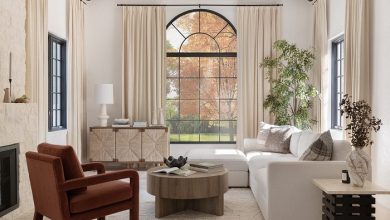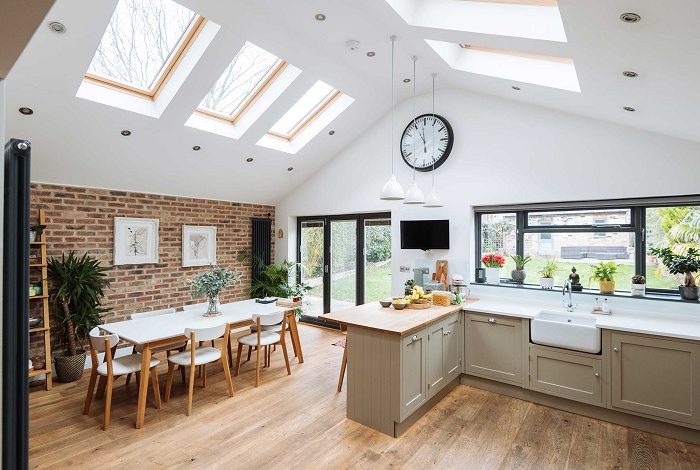
Have you ever wondered what makes a home truly healthy and sustainable? Are you looking for ways to reduce your environmental footprint while creating a beautiful living space? Choosing natural materials for your home construction could be the answer. From walls and floors to roofing and insulation, natural materials offer numerous benefits for homeowners, the environment, and personal well-being. By integrating elements like wood, stone, clay, and bamboo into your home, you not only craft a unique space but also promote a healthier, more sustainable lifestyle.
Why Choose Natural Materials?
Natural materials are renewable, biodegradable, and often locally sourced, making them a greener alternative to conventional building materials such as concrete, steel, and synthetic composites. Unlike many modern construction products, natural options generally require less energy to produce, reducing your home’s overall carbon footprint. For example, timber from responsibly managed forests stores carbon, which helps offset greenhouse gas emissions, while materials like clay and straw can often be obtained without extensive processing.
Beyond environmental considerations, natural materials contribute to healthier indoor living spaces. Many synthetic building products release volatile organic compounds (VOCs) and other harmful chemicals that can affect air quality. In contrast, materials like untreated wood, cork, and natural fiber insulation are non-toxic and breathable, promoting better ventilation and reducing the risk of respiratory issues. This is especially important for families, young children, and individuals with allergies or sensitivities.
Popular Natural Materials and Their Benefits
Wood
Wood has been a staple in construction for centuries. It is versatile, durable, and aesthetically pleasing. Wood can be used for structural elements, flooring, paneling, and furniture. It provides natural insulation and can help regulate indoor humidity. Sustainable sourcing is crucial; look for FSC-certified timber to ensure that your wood comes from responsibly managed forests.
Stone
Stone adds strength, longevity, and timeless beauty to a home. From granite countertops to exterior facades, natural stone is durable and requires minimal maintenance. It also has excellent thermal mass, meaning it can absorb and slowly release heat, helping regulate indoor temperatures naturally. For a truly lasting and elegant finish, sourcing from a reliable natural stone supplier ensures both quality and sustainability in your construction project.
Bamboo
Known for its rapid growth and strength, bamboo is a renewable material ideal for flooring, roofing, and even structural frameworks. Its flexibility makes it earthquake-resistant, and its natural aesthetic brings warmth and elegance to interiors.
Clay and Earth
Techniques like adobe, rammed earth, and clay plaster have been used for centuries across the world. These materials are not only eco-friendly but also provide excellent thermal mass and natural humidity regulation. Clay walls and plaster can create a soft, warm interior environment that is comfortable year-round.
Cork
Harvested from the bark of cork oak trees without harming the tree, cork is a renewable and biodegradable material. It is ideal for flooring, wall panels, and insulation. Cork is naturally sound-absorbing, anti-microbial, and resilient, making it a versatile choice for modern homes.
Sustainability and Longevity
Using natural materials in home construction also encourages sustainability through longevity. Many natural materials, when properly maintained, can last for decades or even centuries. For instance, stone foundations, timber frames, and clay walls can endure the elements far longer than many synthetic alternatives, reducing the need for frequent replacements and minimizing waste.
Moreover, natural materials can often be recycled or repurposed at the end of their life cycle. Timber can be reclaimed for furniture, cork can be ground into insulation, and stone can be reused for landscaping or paving. This circular approach aligns perfectly with sustainable building principles.
Design Flexibility and Aesthetics
Natural materials offer unparalleled design flexibility. Each piece of wood, slab of stone, or brick of clay carries unique textures, grains, and colors, allowing homeowners to create truly one-of-a-kind interiors and exteriors. From rustic charm to modern elegance, natural materials can be adapted to fit almost any architectural style, proving that sustainability does not mean compromising on aesthetics.
Conclusion
Building with natural materials is more than a design choice—it is a lifestyle decision that benefits both people and the planet. By incorporating elements such as wood, stone, bamboo, clay, and cork, homeowners can enjoy healthier indoor air, improved energy efficiency, and timeless beauty in their living spaces. Beyond the personal advantages, choosing natural materials reduces environmental impact, supports sustainable forestry and agriculture, and encourages a circular approach to construction.
As the world moves toward more eco-conscious living, embracing natural building materials offers a meaningful way to create homes that are durable, beautiful, and in harmony with nature. Whether you are constructing a new home or renovating an existing one, natural materials provide a sustainable, aesthetically pleasing, and health-conscious solution that will stand the test of time.