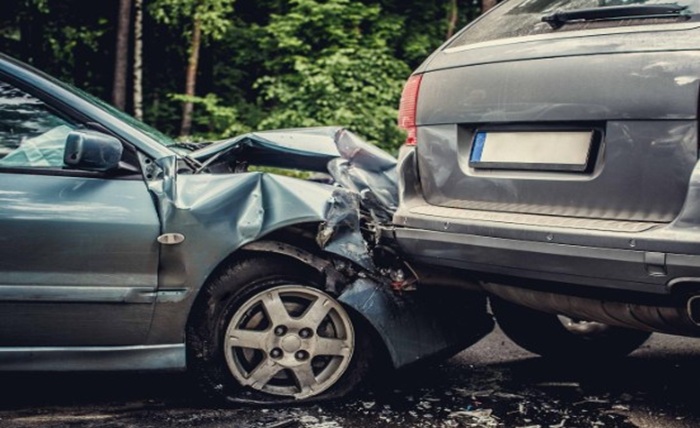
In Jackson, Mississippi, busy roadways, growing traffic, and fast-paced daily life contribute to frequent vehicle collisions. When an accident happens, one of the most important questions that follows is, “Who is at fault?”
Fault plays a major role in determining compensation, insurance outcomes, and legal responsibility. If you’re involved in a crash in the area, a Jackson car accident lawyer can help you understand how fault is determined and what evidence is needed to support your claim.
Understanding the factors that influence fault can empower you to protect your rights and strengthen your case from the beginning.
- Police Reports and Official Documentation
One of the first and most influential pieces of evidence used to determine fault is the official police report. Officers document:
- Statements from drivers and witnesses
- Road conditions
- Location of vehicle damage
- Diagrams of the accident
- Traffic law violations
Although not the final word on fault, these reports carry significant weight with insurance companies and courts. Any inaccuracies should be addressed early to avoid complications later.
- Traffic Laws and Rules of the Road
Traffic laws help establish what each driver was responsible for at the time of the crash. Violations such as
- Speeding
- Running a red light
- Failure to yield
- Distracted driving
- Following too closely
can quickly shift fault toward the negligent driver. In many cases, proving that one driver violated a traffic law is enough to demonstrate responsibility for the collision.
- Evidence From the Scene
Visual and physical evidence from the crash scene plays a central role in fault determination. Important examples include:
- Photos and videos of the crash site
- Skid marks
- Vehicle damage
- Debris patterns
- Roadway or weather conditions
Today, dashcams and surveillance cameras provide additional clarity and can significantly strengthen a claim. Quick action is important because evidence can disappear within hours.
- Witness Testimony
Eyewitnesses provide independent perspectives that can confirm or clarify details that drivers may dispute. Their statements help reconstruct:
- Driver actions
- Right-of-way issues
- Traffic signal status
- Erratic or negligent behavior
Insurance companies and courts often rely heavily on credible witness testimony when determining fault.
- Expert Analysis
Some crashes—especially high-speed collisions, multi-vehicle accidents, or cases involving serious injuries—require professional accident reconstruction experts. These specialists use physics, engineering, and specialized software to determine:
- Vehicle speed
- Angle of impact
- Driver reaction time
- Likely cause of the collision
Their reports can be compelling evidence, especially when the facts of a case are disputed.
- Comparative Negligence in Mississippi
Mississippi follows a pure comparative negligence rule. This means each party can be assigned a percentage of fault, and compensation is reduced accordingly.
For example:
If you are found 30% at fault, your compensation is reduced by 30%.
This system allows you to recover damages even if you were mostly responsible—as long as you were not 100% at fault. Because of this, insurance companies often try to shift more blame onto the other driver to reduce their payout. Having strong evidence is essential.
- Statements Made After the Accident
What you say after the crash can also influence fault determinations. Simple statements like “I’m sorry” may be mistaken as admissions of guilt. For this reason, it’s best to avoid discussing fault at the scene and stick to factual information only.
Key Takeaways
- Police reports, traffic laws, and physical evidence all play major roles in determining fault.
- Witness and expert testimony can strengthen your claim.
- Mississippi’s pure comparative negligence system allows compensation even when you share some fault.
- Be careful about what you say at the crash scene or to insurers.
- A lawyer can help protect your rights, gather evidence, and challenge inaccurate fault assignments.